


Madagascar Nomads
Road trip in Madagascar: 14 days exploring national parks, endemic wildlife and cultural immersion
Starting from €1590

Traveling to Madagascar means stepping onto an island both untamed and enchanting, where nature appears to have guarded all its mysteries. From giant baobabs and paradise beaches to tropical rainforests and captivating native wildlife, each stage of the journey unveils a distinct facet of this extraordinary land.
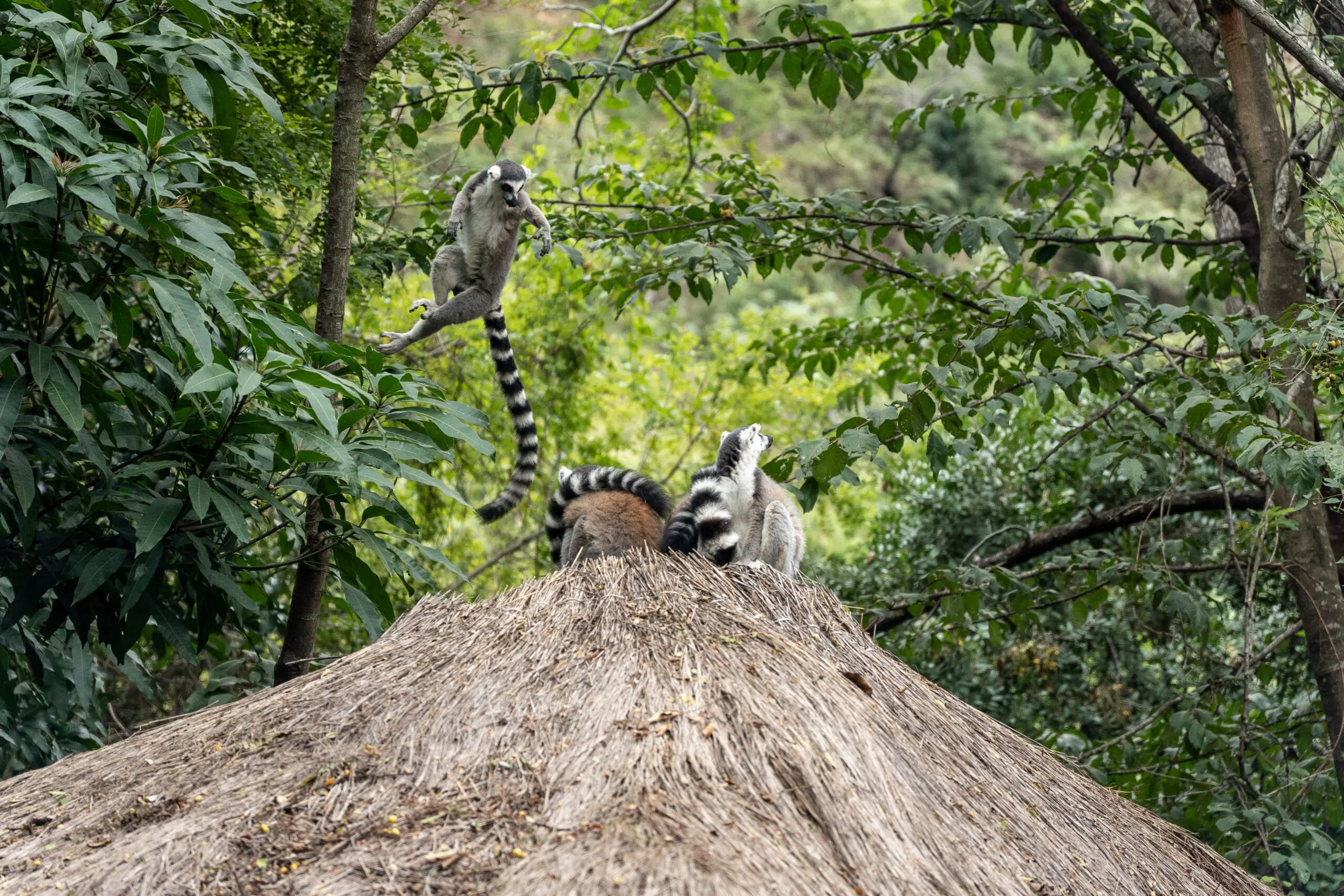
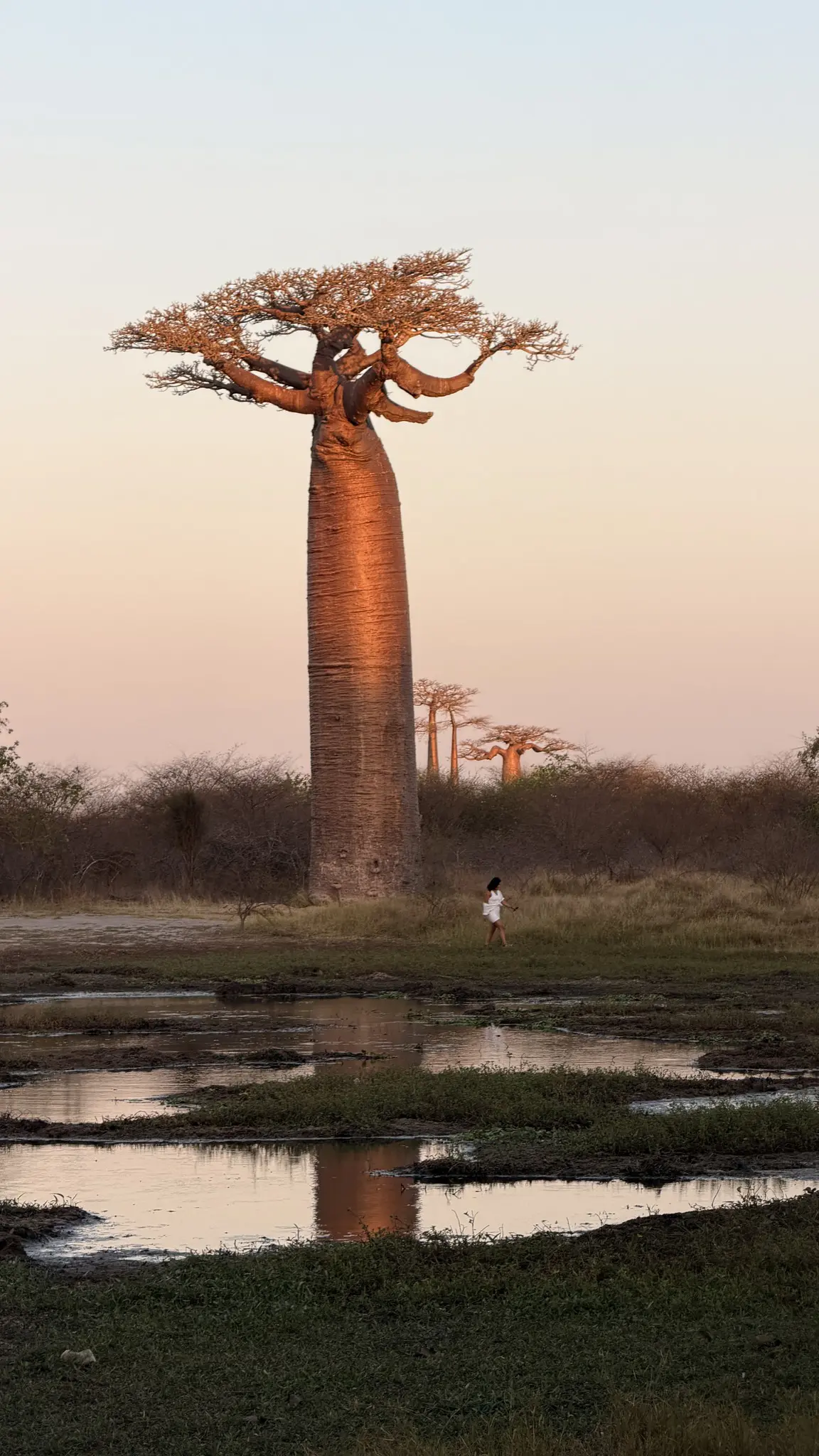
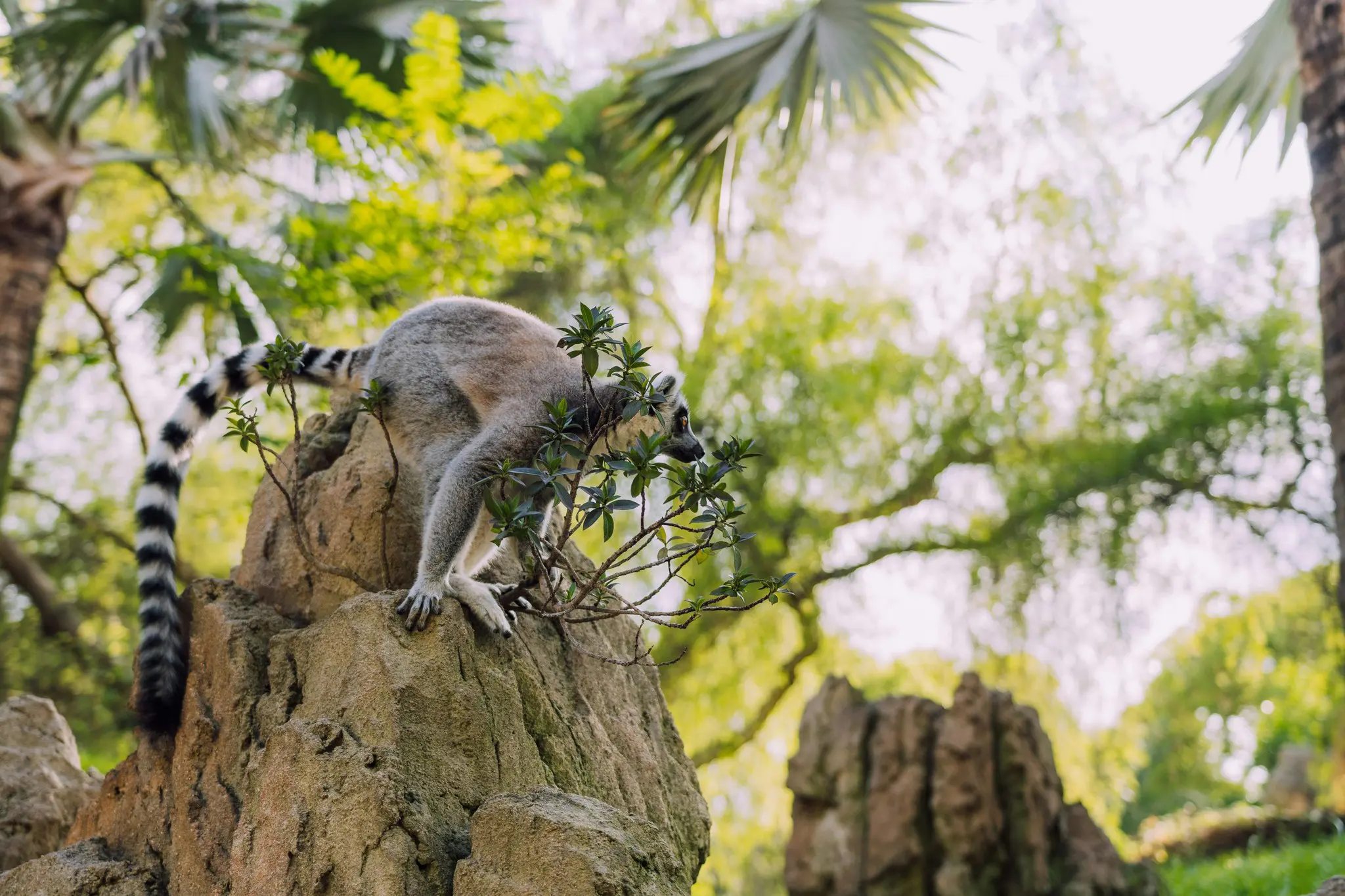
Adventure in MadagascarMadagascar’s nature is as spectacular as it is unique. Between lush rainforests, pristine beaches, red dirt tracks, majestic baobabs, and landscapes carved by time, the island offers a truly singular adventure backdrop. Its national parks are home to fascinating endemic wildlife—from lemurs and colorful chameleons to a host of species found nowhere else on Earth. In short, a trip to Madagascar will take your breath away!
Malagasy culture is deeply shaped by tradition, hospitality, and a strong bond with nature. Along the way, you will encounter warm and welcoming locals, authentic villages, vibrant markets, a cuisine infused with African, Asian, and Creole influences, and a way of life that truly enriches the entire journey.
We didn’t find any results. Try a different keyword or filter, or check out our trending trips below!
At Travelbase, we invite you on a journey to uncover Madagascar’s greatest natural wonders. On this road trip, you’ll journey through mind-blowing diverse landscapes: from lush rainforests to fine-sand beaches, and from authentic villages to dirt roads lined with majestic baobabs. You will get up close with wildlife found nowhere else on Earth, explore pristine national parks, and experience an untamed, welcoming, and truly captivating island.
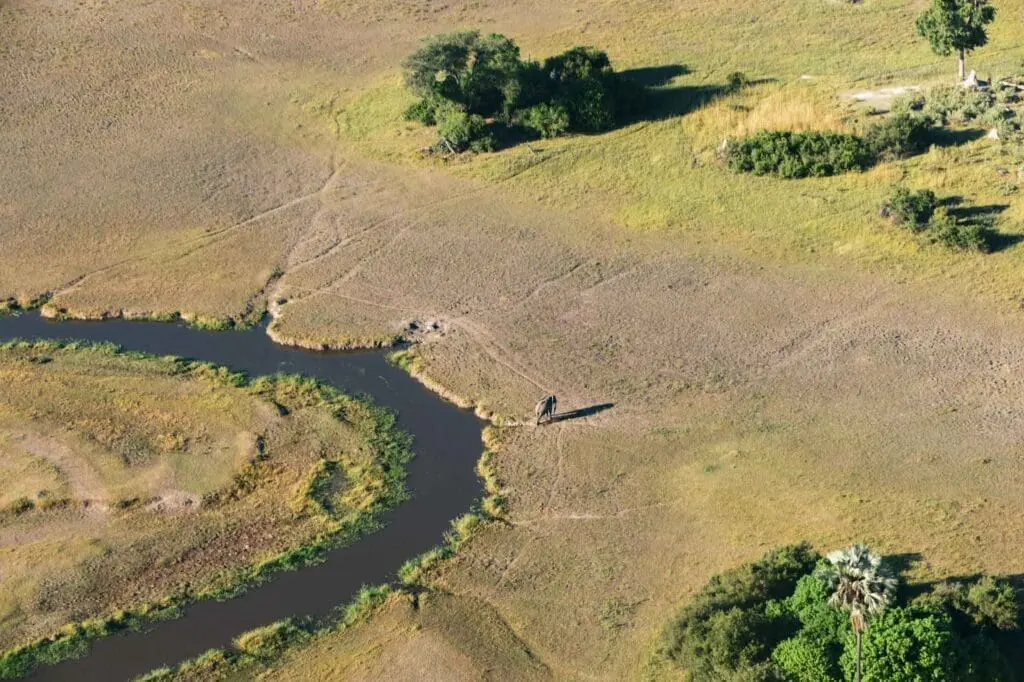
Discover Botswana: the ultimate wilderness. From the Okavango Delta to endless salt pans and the Big Five in Chobe. Travel far from the crowds through untouched national parks and experience pure peace and adventure. An unforgettable 4x4 experience in the heart of Africa!
See destination BotswanaSet off to discover Tanzania, the unrivaled kingdom of African wildlife, and experience an unforgettable adventure in the heart of the Serengeti and the Ngorongoro Crater. Here, the Big Five roam freely across breathtaking landscapes, offering some of the most spectacular safaris on the continent.
See destination TanzaniaSet off to explore Namibia, its national parks and wild tracks on a 4x4 road trip equipped with a rooftop tent, or stay in comfortable lodges.
See destination NamibiaTraveling to Madagascar: Everything You Need to Know
Where is Madagascar located?
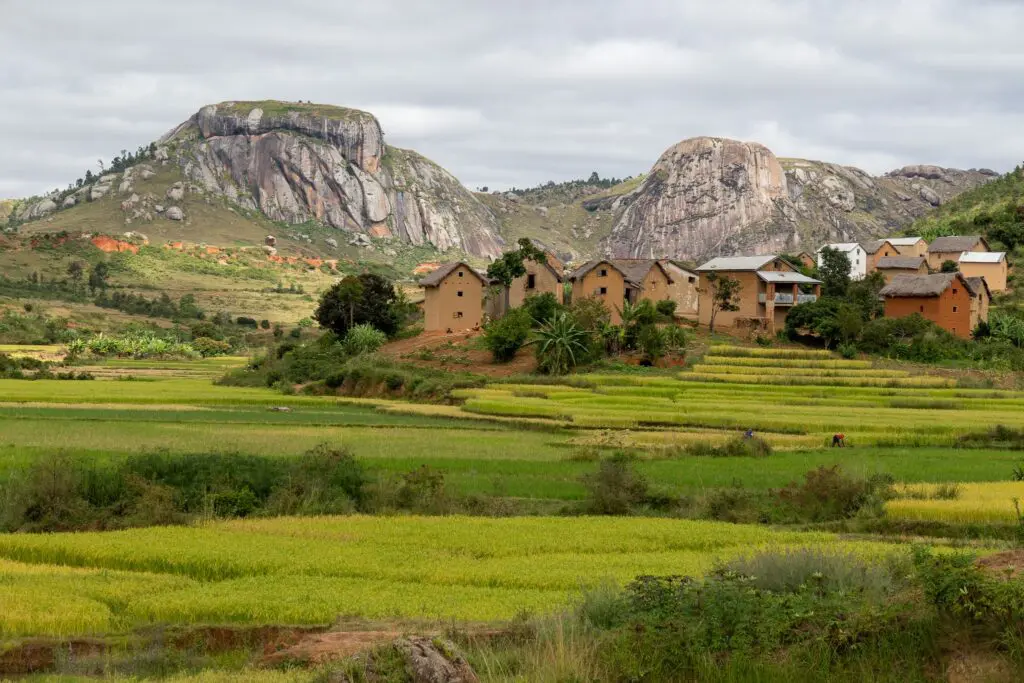
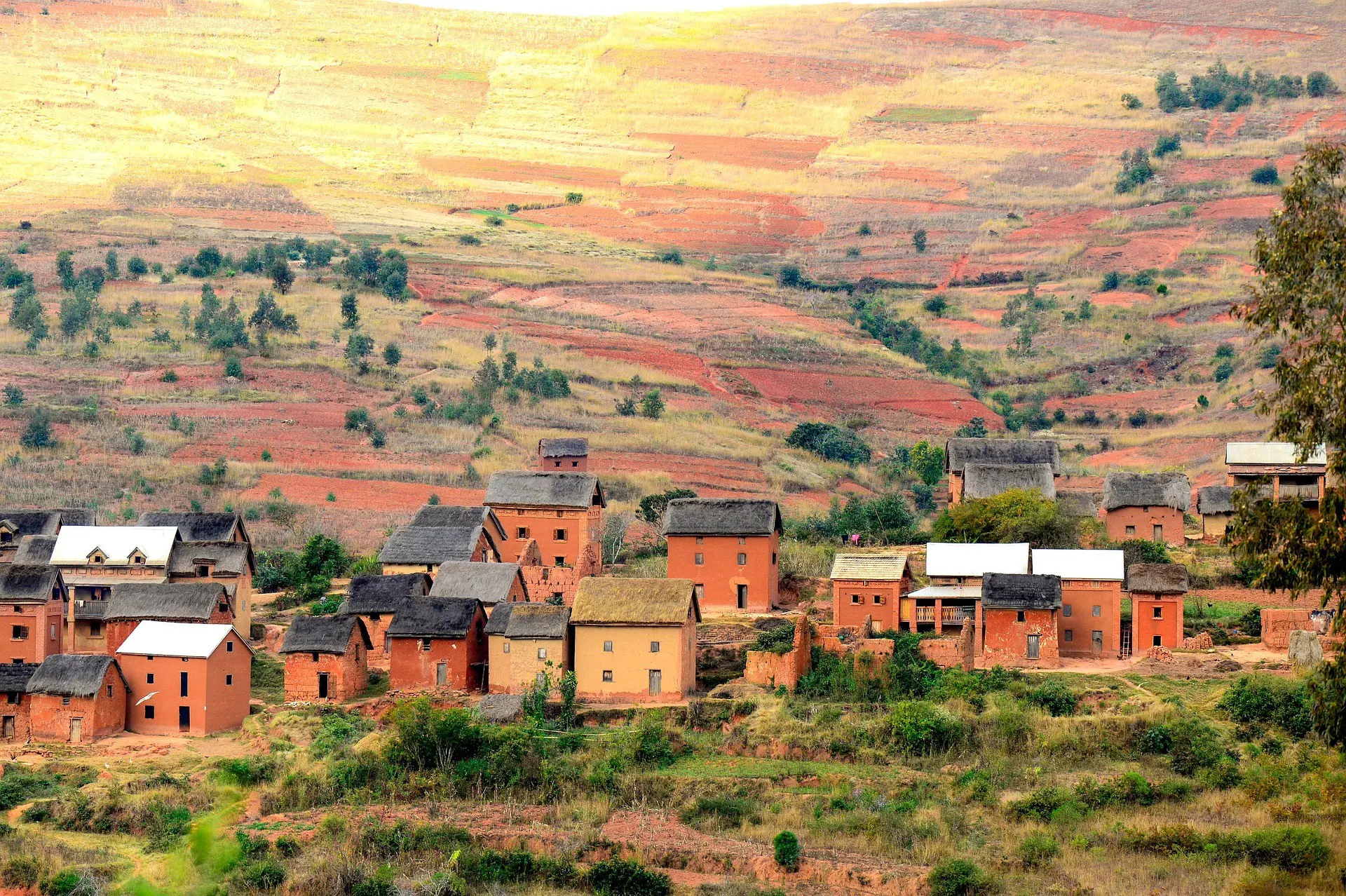
A true gem of the Indian Ocean, Madagascar lies off the southeast coast of Africa, separated from the continent by the Mozambique Channel. As vast as it is fascinating, this large island is fringed with turquoise waters and pristine beaches. Inland, landscapes range from lush rainforests and central highlands to terraced rice fields and spectacular rock formations. Whether you choose an adventure expedition or an organized road trip, Madagascar promises total immersion and extraordinary discoveries.
What travel documents and visa do you need for Madagascar?
Good news: for most travelers, visiting Madagascar is relatively simple. A tourist visa is mandatory, but it can easily be obtained upon arrival at the airport for short stays (usually up to 30 or 60 days).
You will need a passport valid for at least 6 months beyond your return date, as well as proof of onward or return travel. A visa fee applies and must be paid on site in cash (usually in Euros or USD).
What to pack for a trip to Madagascar?
Madagascar features an incredible variety of landscapes and microclimates, so packing smart is key! Here is a checklist to help you get started:
Lightweight, breathable clothing for warmer days, plus a light jacket or fleece for cooler evenings (especially in the central highlands)
Comfortable walking or hiking shoes for exploring national parks and nature trails
Swimwear to enjoy the beaches and lagoons
Sunscreen, a sun hat, and sunglasses (the sun can be very strong)
Effective mosquito repellent
A power adapter (see details below)
A camera to capture the stunning scenery and unique wildlife
A headlamp or flashlight (very handy in remote areas)
Essential personal medications and a compact first-aid kit
If you travel with Travelbase, a full packing list will be provided before your departure.
Practical Information for Your Journey
What power plugs are used in Madagascar?
Madagascar mainly uses plug types C and E, running on 220V at 50Hz. If you are traveling from most European countries, you generally will not need an adapter. When in doubt, tossing a universal adapter into your bag is always a good idea.
Vaccines and health precautions for Madagascar
No vaccines are mandatory to enter Madagascar (unless you are arriving from an area with a risk of yellow fever transmission). However, the following vaccinations are strongly recommended: Hepatitis A and B, Typhoid, and Tetanus.
Key precautions to keep in mind:
Bring a basic first-aid kit
Use mosquito repellent (malaria is present in certain regions)
Sleep under a mosquito net whenever provided
Drink bottled water and avoid ice cubes
Purchase travel insurance covering overseas medical expenses and repatriation
Malagasy Culture
What are the local customs in Madagascar?
The Malagasy people are well known for their warm welcome and deep sense of respect. Here are a few helpful guidelines:
Respect for elders and local traditions is essential
“Fady” (cultural taboos) vary by region: always follow local advice and your guide’s instructions
Greeting people with a warm hello is always appreciated
Family and community life play a central role
The pace of life is often slower and closely attuned to nature
Take the time to connect with locals—these genuine encounters are at the heart of the journey.
What are the traditional dishes in Madagascar?
Malagasy cuisine is simple, flavorful, and enriched by diverse cultural influences:
Romazava: a traditional meat and leafy greens stew (brèdes)
Ravitoto: crushed cassava leaves slow-cooked with meat
Rice (vary): served with virtually every meal
Fresh tropical fruits (mangoes, pineapples, lychees, and more)
Fresh fish and seafood along the coastline
What languages are spoken in Madagascar?
The official language is Malagasy, spoken throughout the entire country. French is also widely spoken and understood, especially in cities and tourist areas.
Useful words to know:
Hello: Salama
Thank you: Misaotra
Please: Azafady
Goodbye: Veloma
Climate & Weather in Madagascar
Madagascar has a tropical climate with regional variations:
A warm and humid season (November to April), with more frequent rainfall
A dry and cooler season (May to October), which is ideal for traveling
Milder temperatures across the central highlands
Hotter, sunnier weather along the coastlines
Whatever the season, Madagascar always delivers awe-inspiring landscapes. At Travelbase, we carefully choose our travel windows to ensure the best possible experience.
Is Madagascar safe?
Madagascar is generally a safe destination for travelers, provided you follow standard common-sense travel precautions:
Keep an eye on your belongings in busy areas and markets
Avoid walking alone after dark in major towns
Use organized or recommended transport services
Follow local safety guidelines and listen to your guide
In short, traveling to Madagascar is a true immersion into an extraordinary world. With breathtaking landscapes, rare wildlife, and unforgettable human connections, the adventure is sure to stay with you forever.
Safe travels with Travelbase!